





Neck
Glassy and chiming, with a full but tidy bottom end. Good for clean melodic lines, blues and smooth leads.




From: £24.99
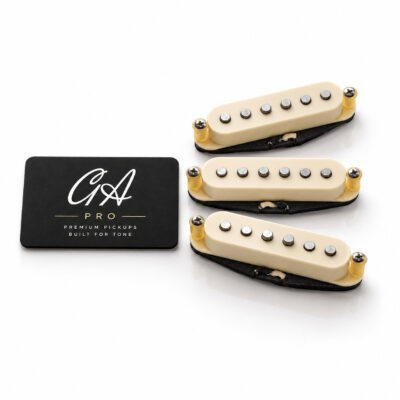
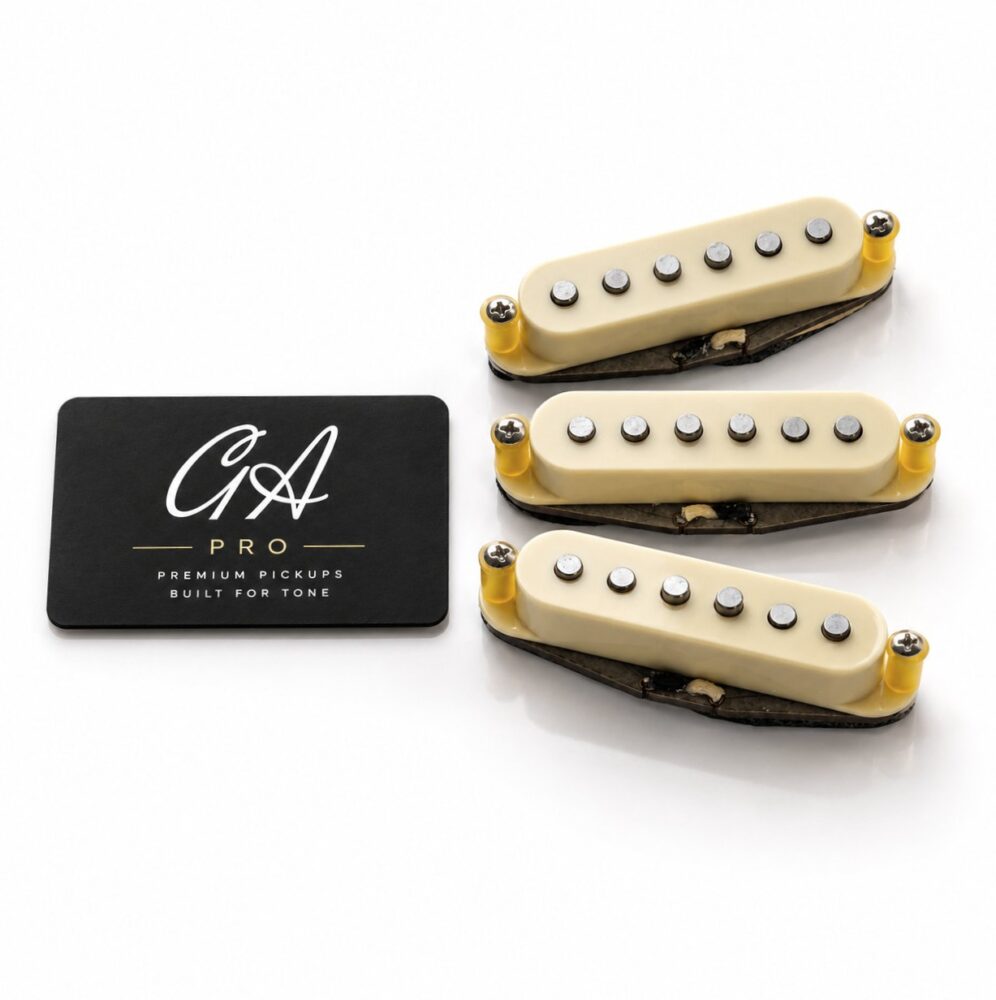
GA Pro Jet Line ’65 Alnico 5 Strat Pickups
Think of a classic Strat and the sound you hear is probably a mid-’60s one. Glassy on the neck, quacky in the in-between positions, a bridge that cuts through. It’s the sound of the guitars that crossed the Atlantic and ended up in British blues and beat bands, and it’s been the reference point for Strat tone ever since.
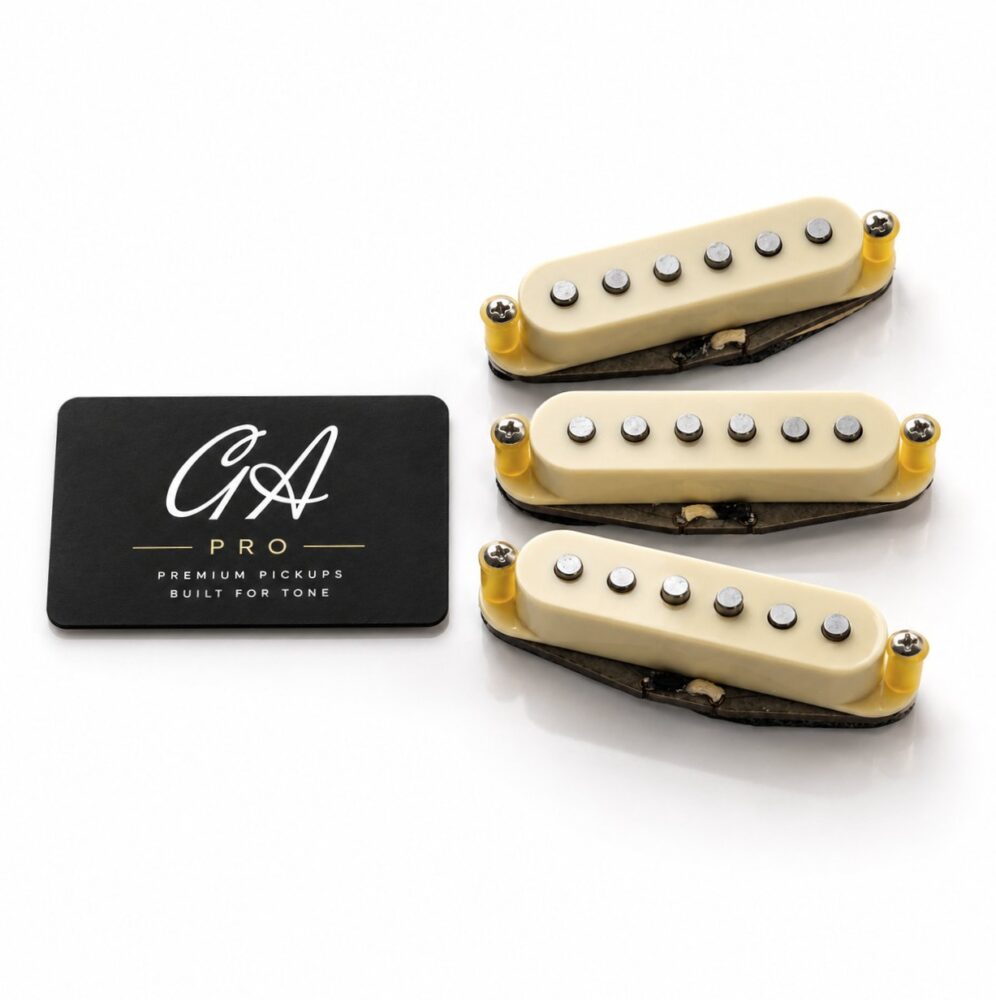
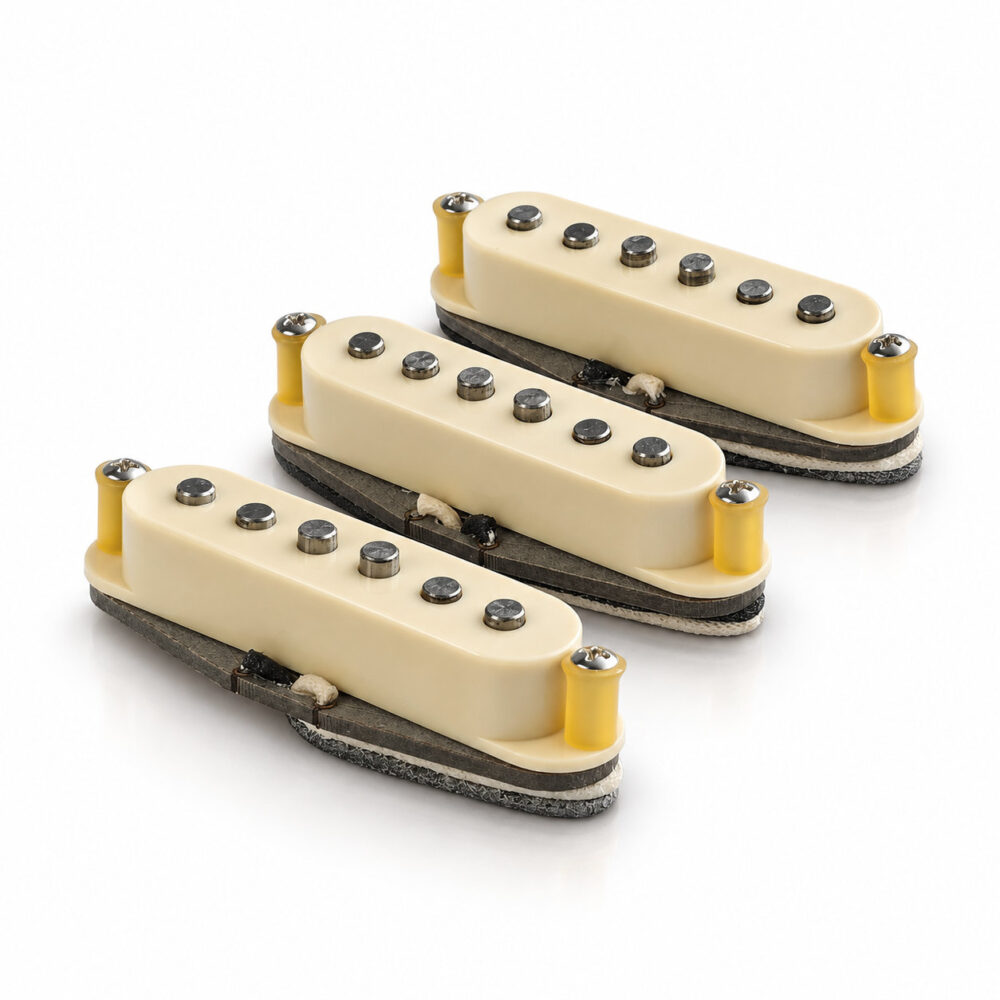
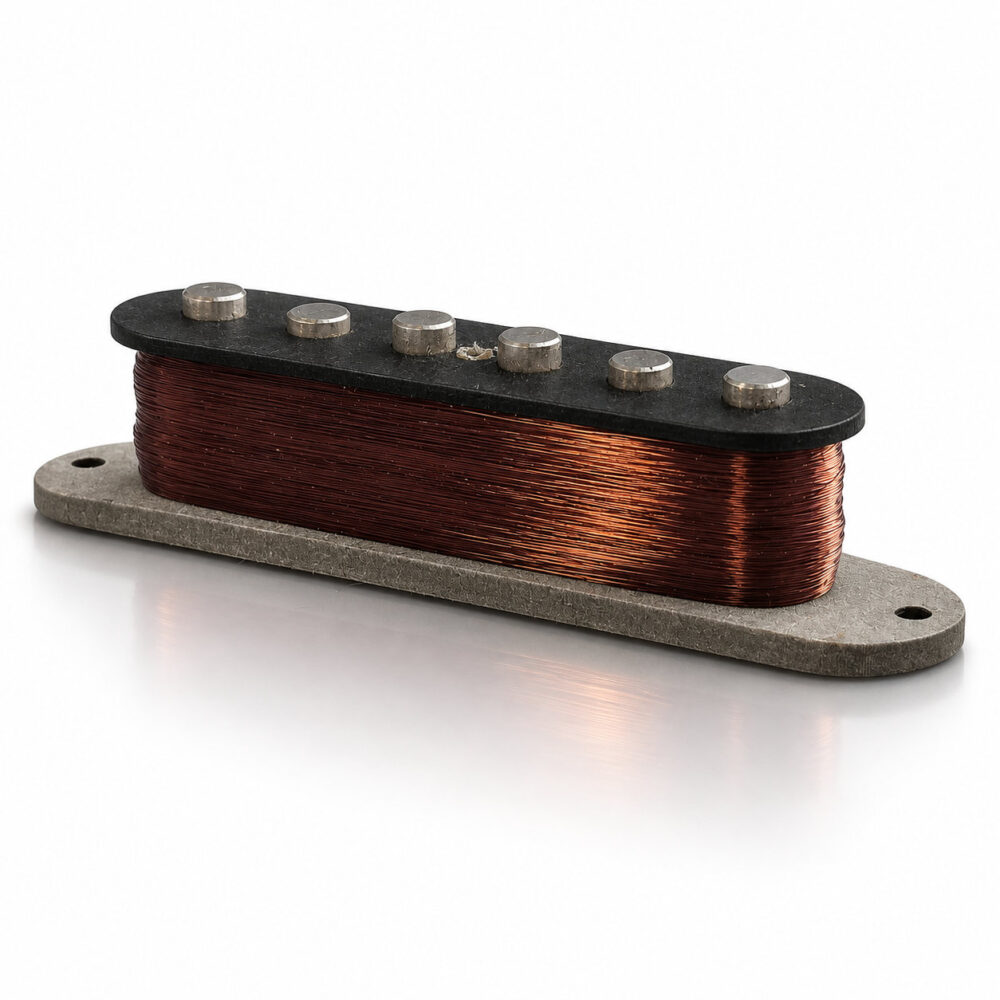
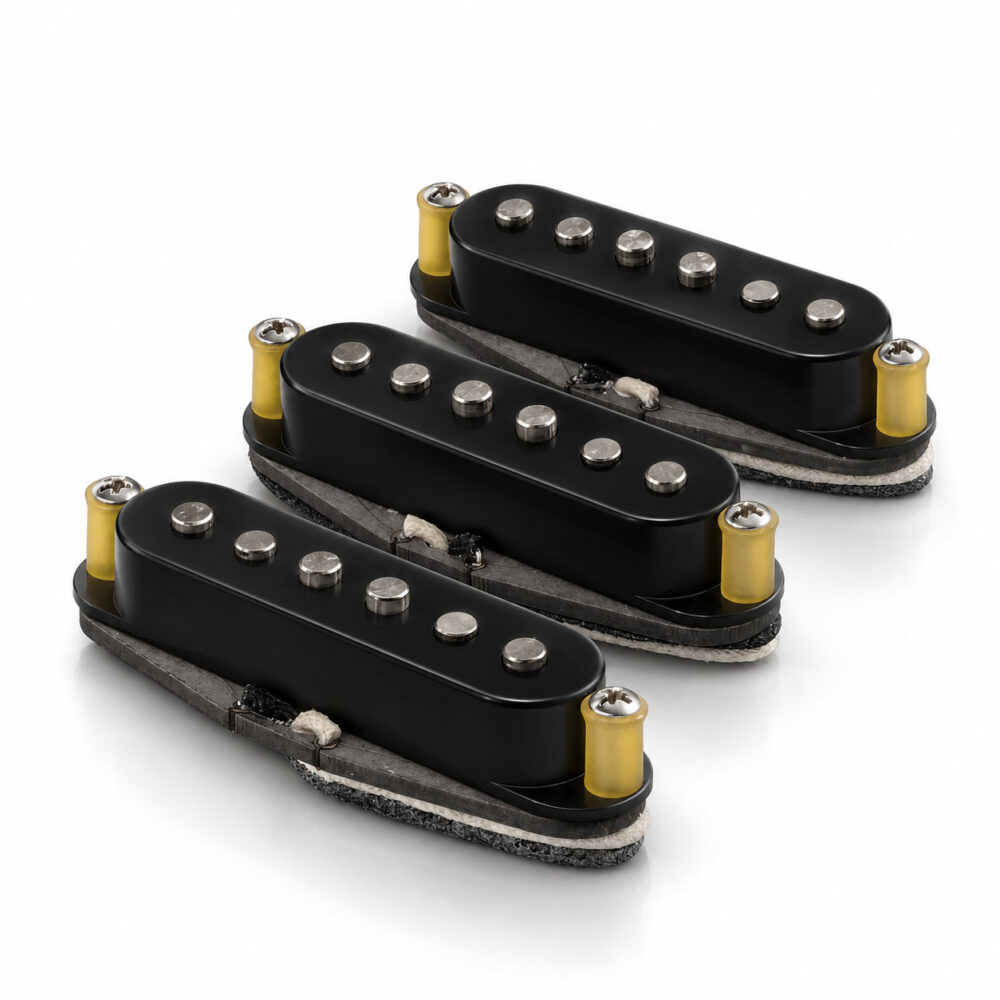
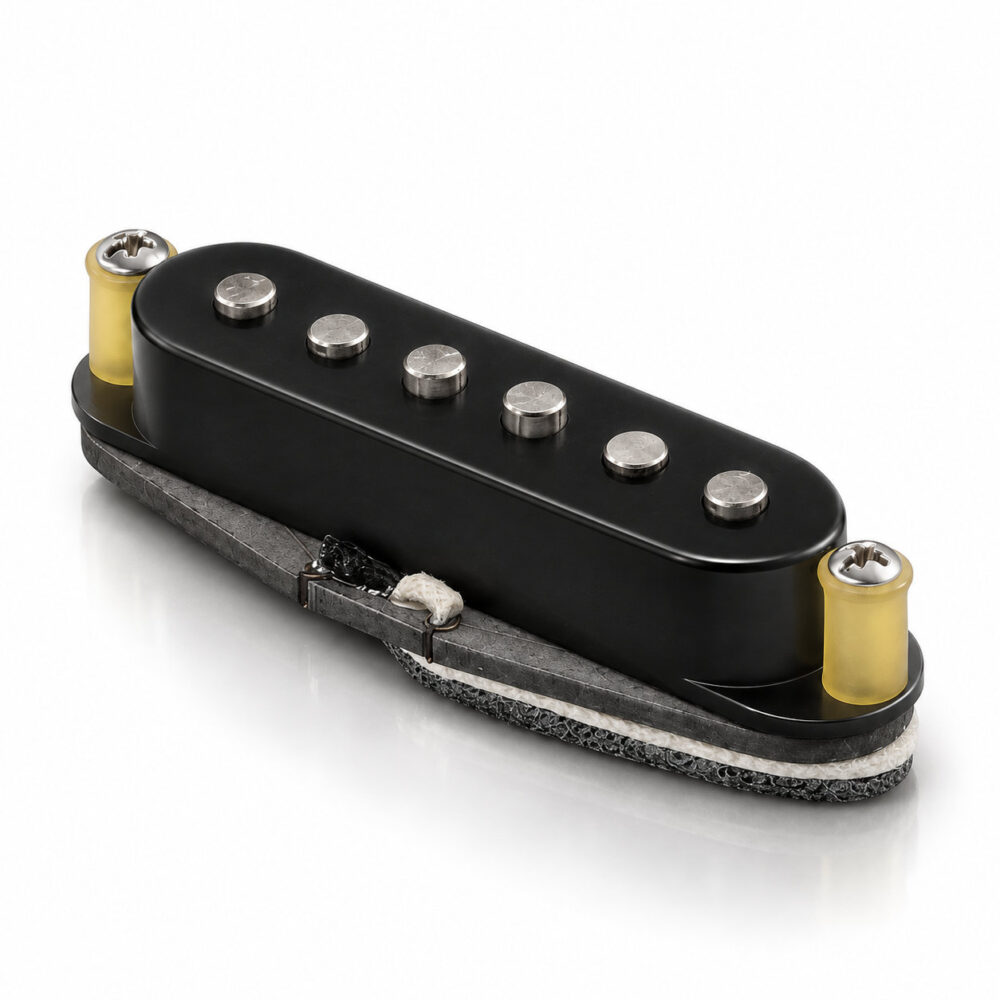
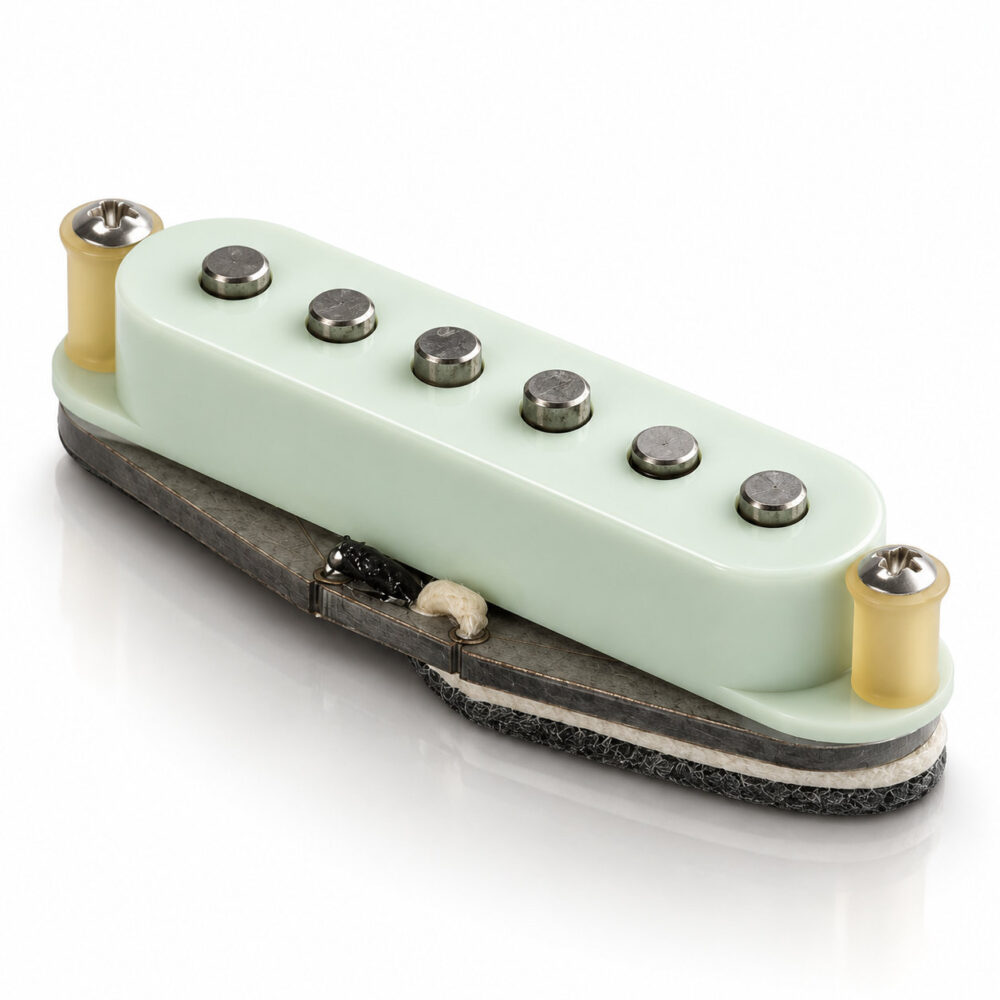
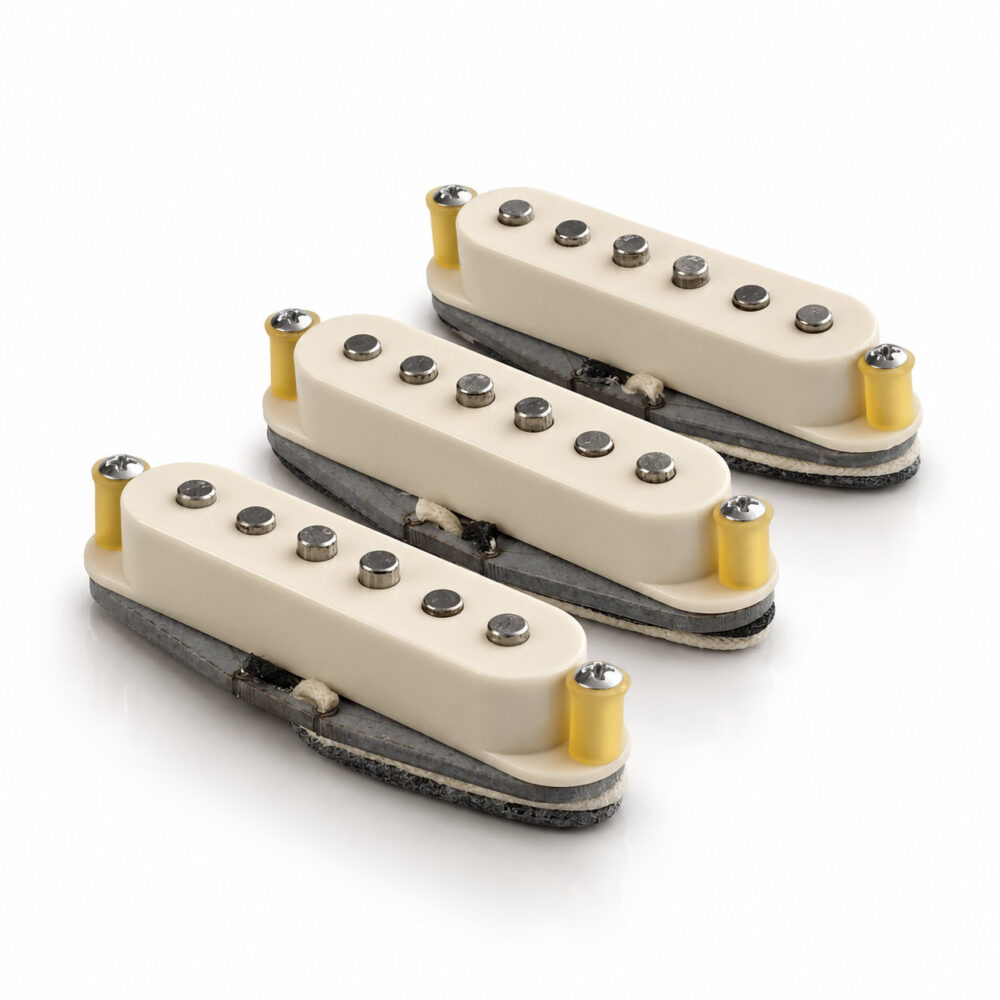
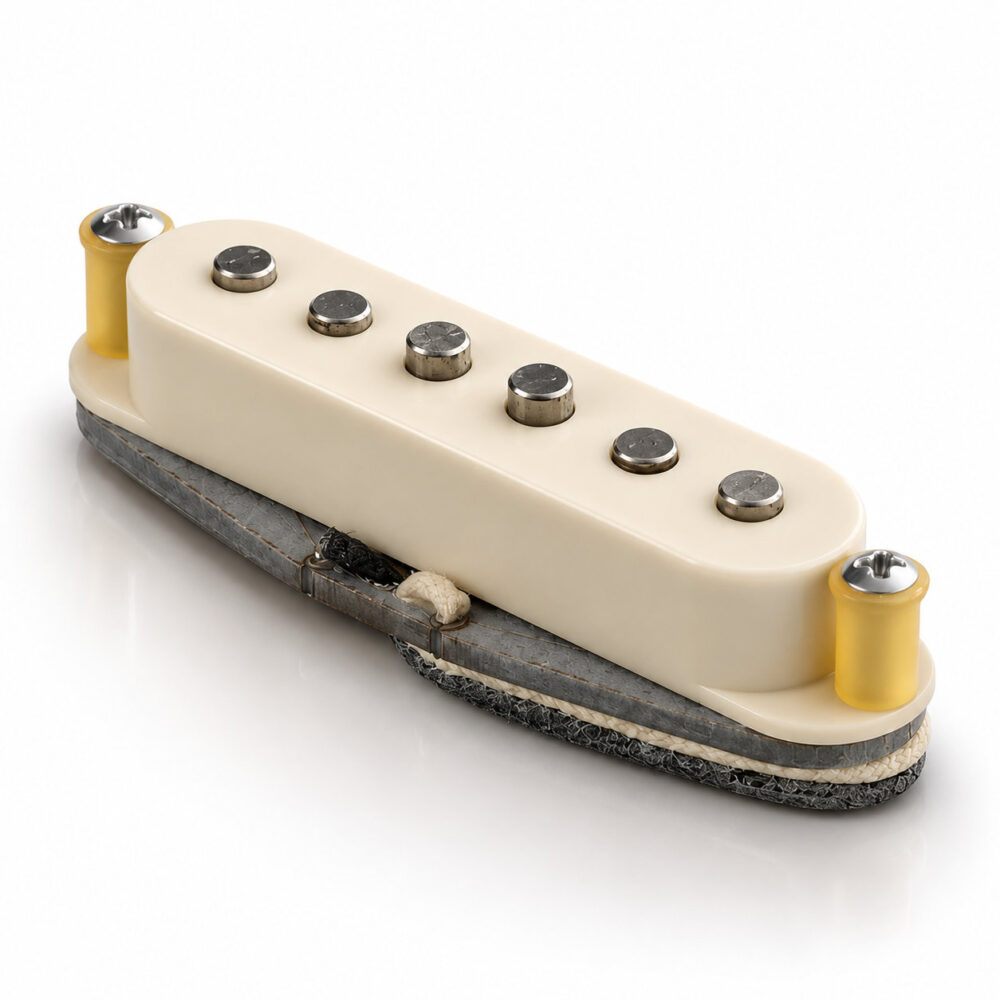
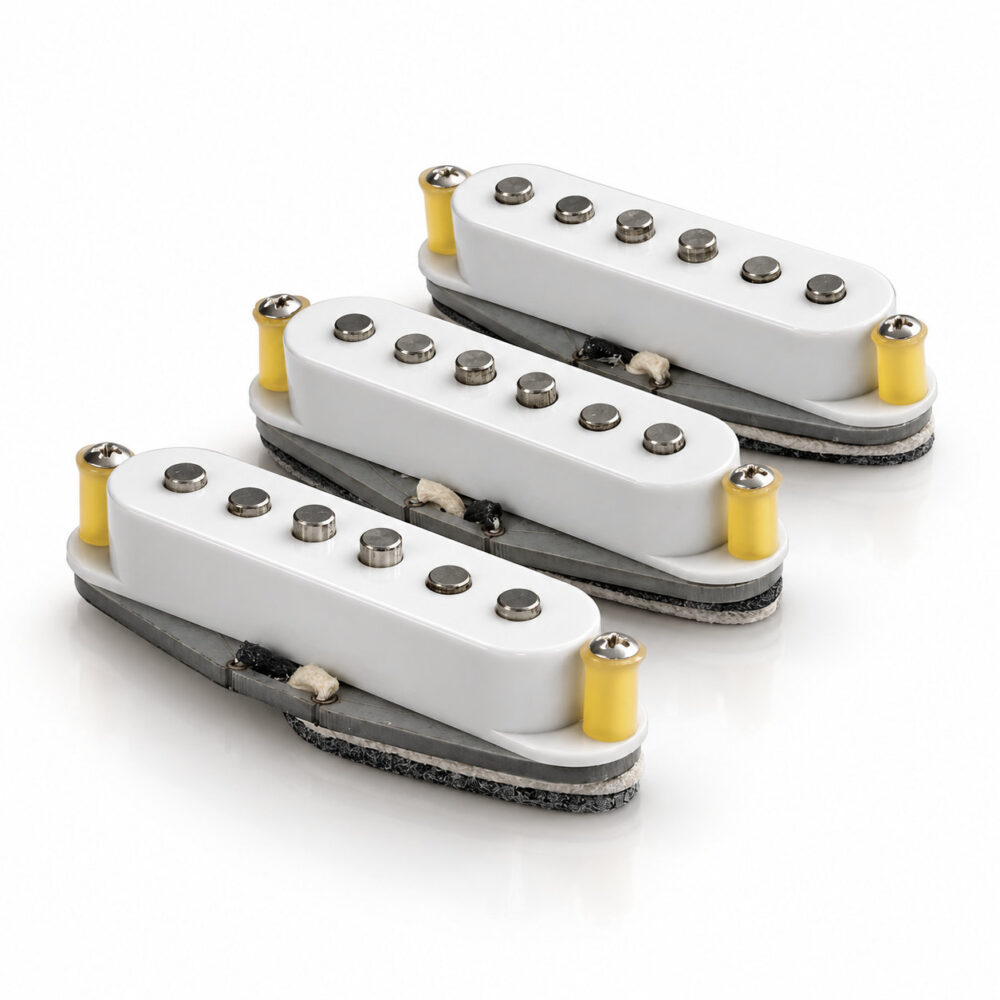
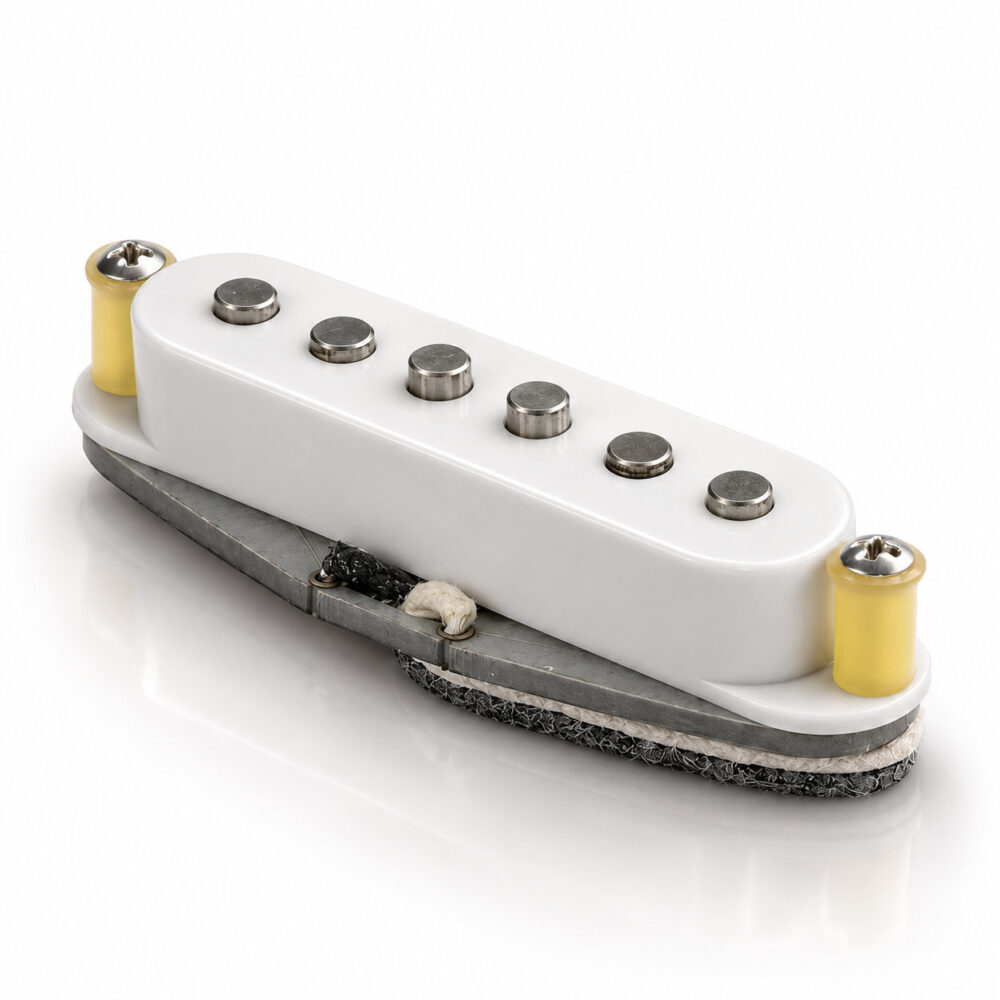
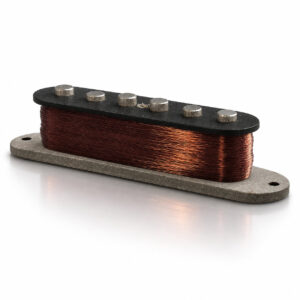
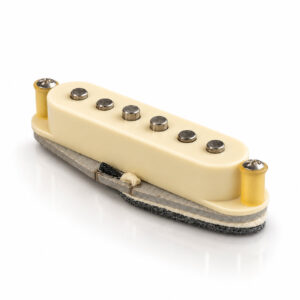
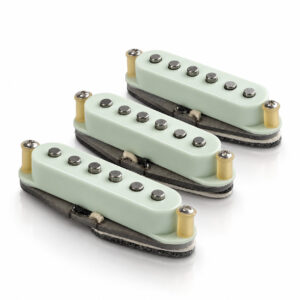
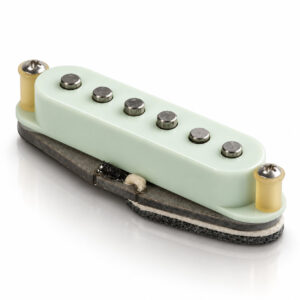
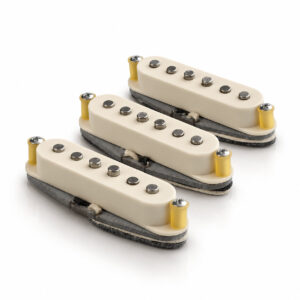
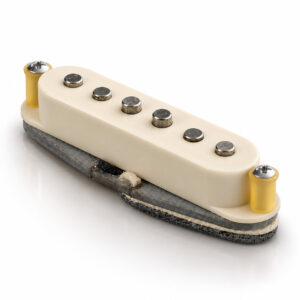
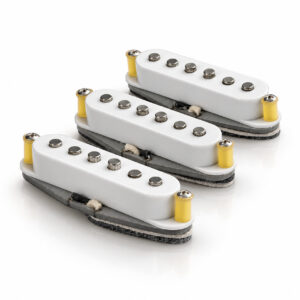
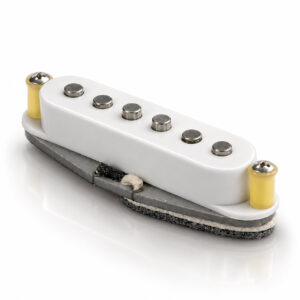
Jet Line ’65 is our take on those pickups. The name is a nod to the jet age, when guitars and records were suddenly crossing the Atlantic in both directions. The construction follows the pickups of the period: staggered Alnico 5 poles, Plain Enamel wire and grey bottom bobbins, wound to around 6.5k.
Of the three sets in the GA Pro vintage range, this is the all-rounder. If you’re not sure which one you want, it’s probably this one.
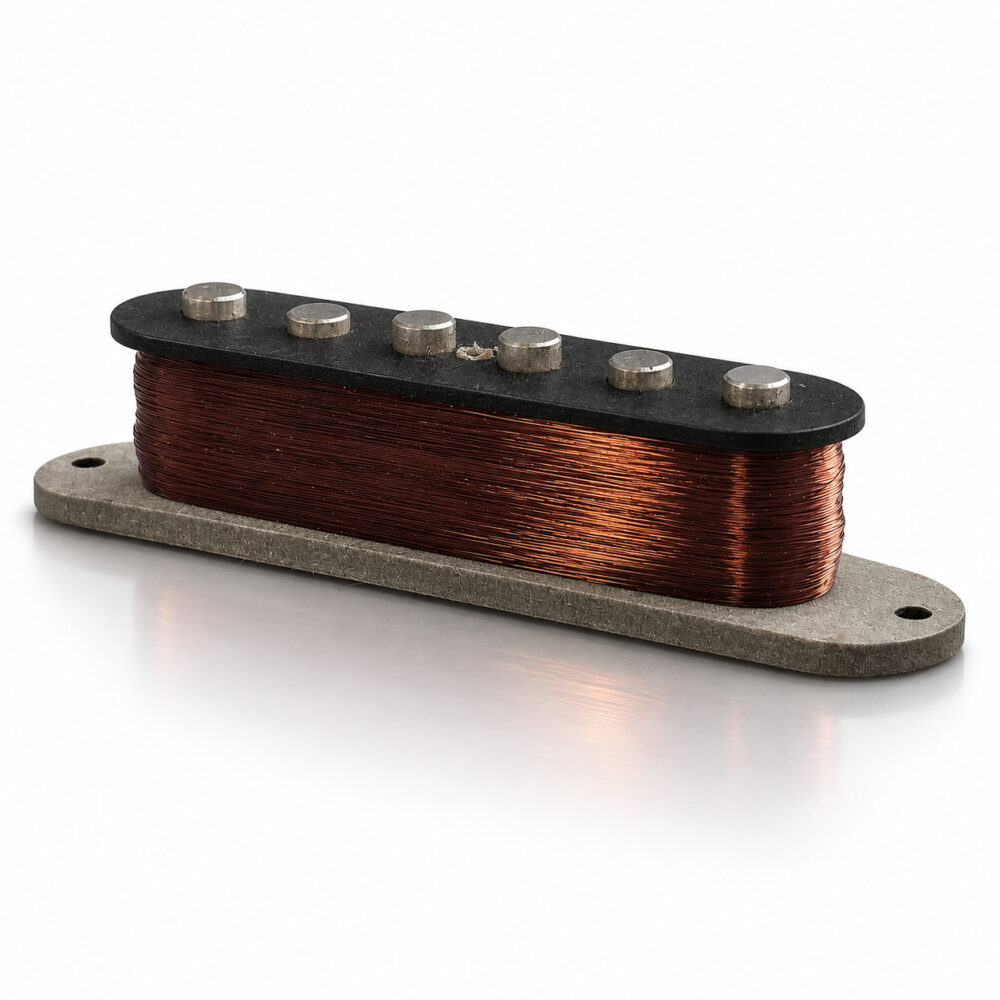
Around 1964, Strat pickups moved from Heavy Formvar to Plain Enamel wire. Plain Enamel has a thinner coating, so more turns fit in the same space, and it’s dark rather than the amber colour of Formvar.
We use Plain Enamel wire on Jet Line, with staggered Alnico 5 poles. Compared with Golden State ’54, the Alnico 5 gives a firmer low end, a bit more output and a sharper attack.
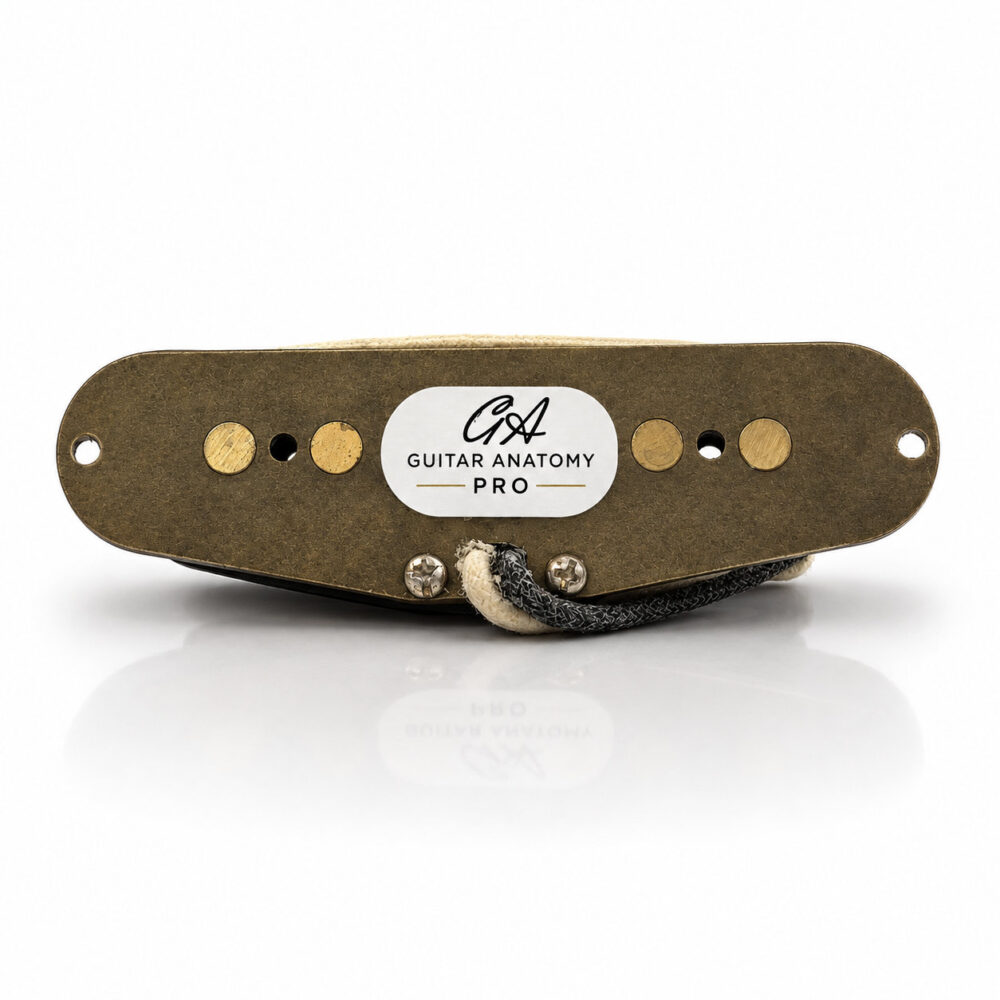
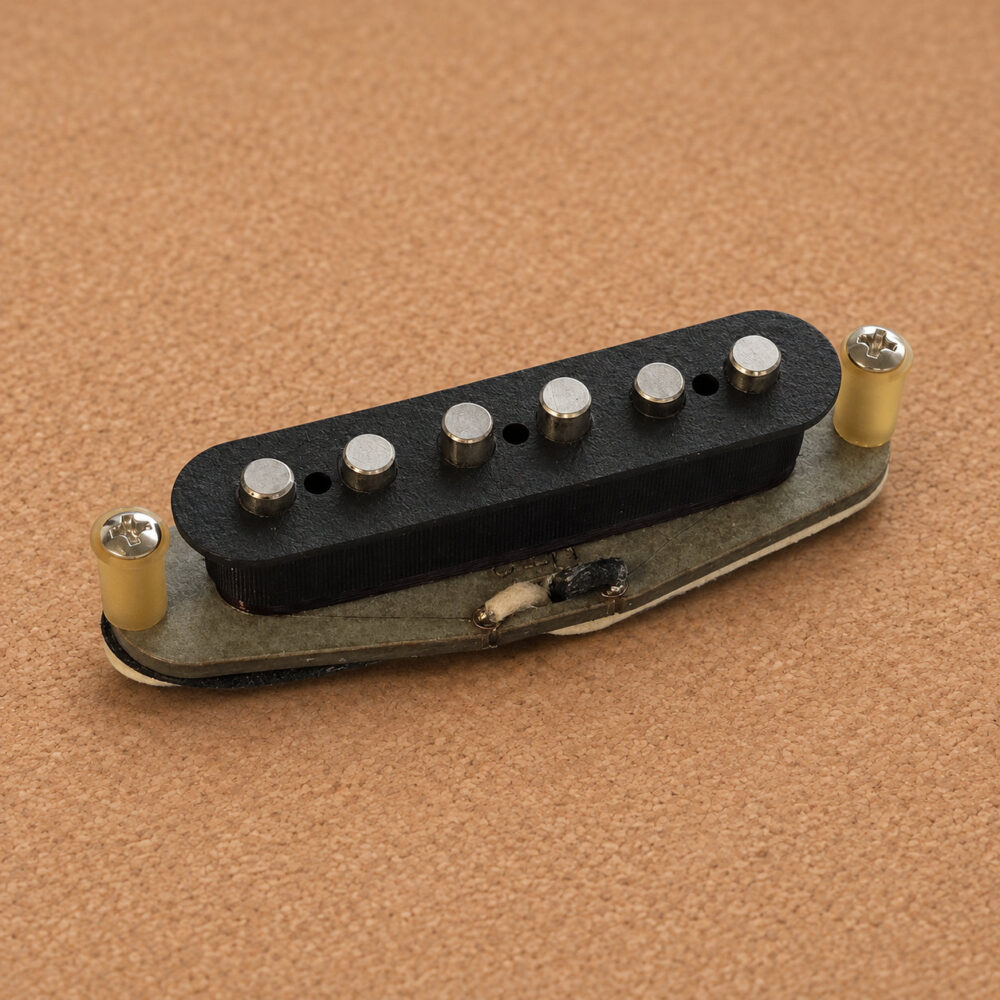
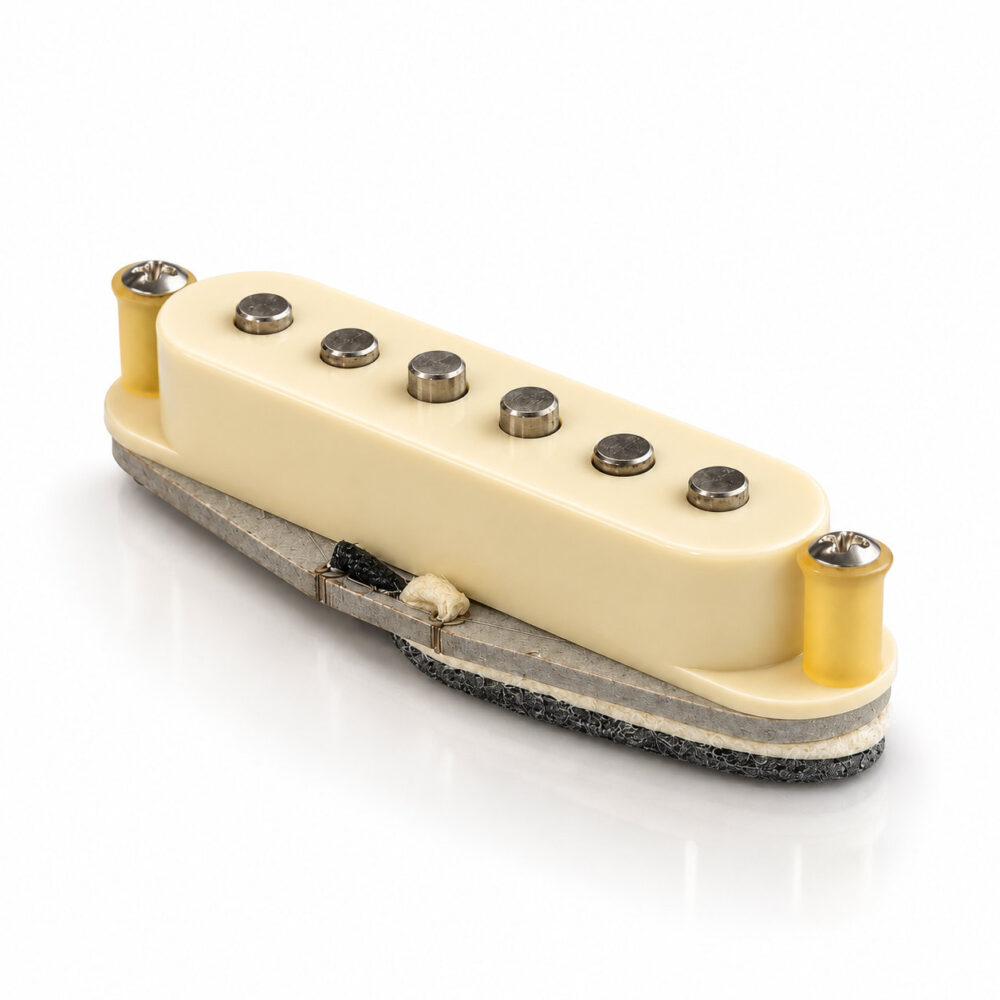
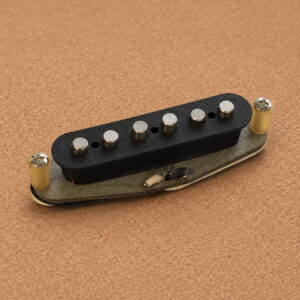
Jet Line uses black and grey fibre bobbins. Along with Plain Enamel wire, the grey fibre bottom plate is one of the easiest ways to tell a ’60s pickup from a ’50s one.
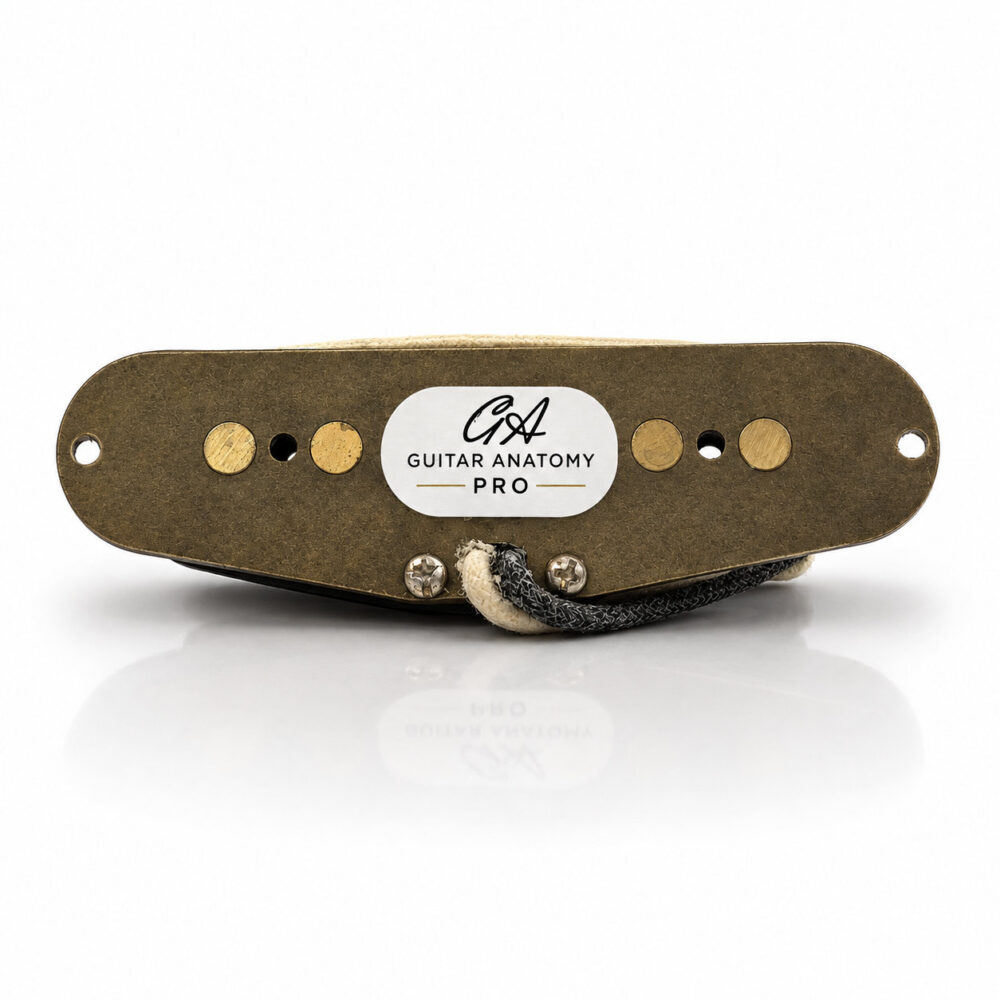
Every pickup is wax-potted so it won’t squeal when you turn up, and comes with cloth push-back leads, which makes fitting them easy.
Jet Line ’65 is scatterwound. The wire goes on in a varied, slightly irregular pattern rather than in neat, even layers. It’s how pickups were wound in the ’50s and ’60s, when winders guided the wire by hand, and it’s a big part of why those old pickups sound so open.
Spreading the turns out like this keeps the highs clear and lively instead of glassy-harsh, and gives each note a bit more air. We set the wind pattern for each model, so it suits what that set is meant to do.
Glassy and chiming, with a full but tidy bottom end. Good for clean melodic lines, blues and smooth leads.
Crisp and percussive. Very good for rhythm, and it’s where those classic position 2 and 4 sounds come from.
Bright and cutting. Sparkles on a clean amp and stays focused and articulate as you add gain.
Clean chords, blues, soul, pop and ’60s rock. It’ll cover most of it. Flick it into position 4, nudge the amp up a little and play something you learned off a record. That’s the one.
Part of the GA Pro range: our own line of boutique-style pickups, researched and developed in the Guitar Anatomy workshop. Our team works out each design from the ground up, choosing the materials, settling the winds and testing them in real guitars until we’re happy with every position.
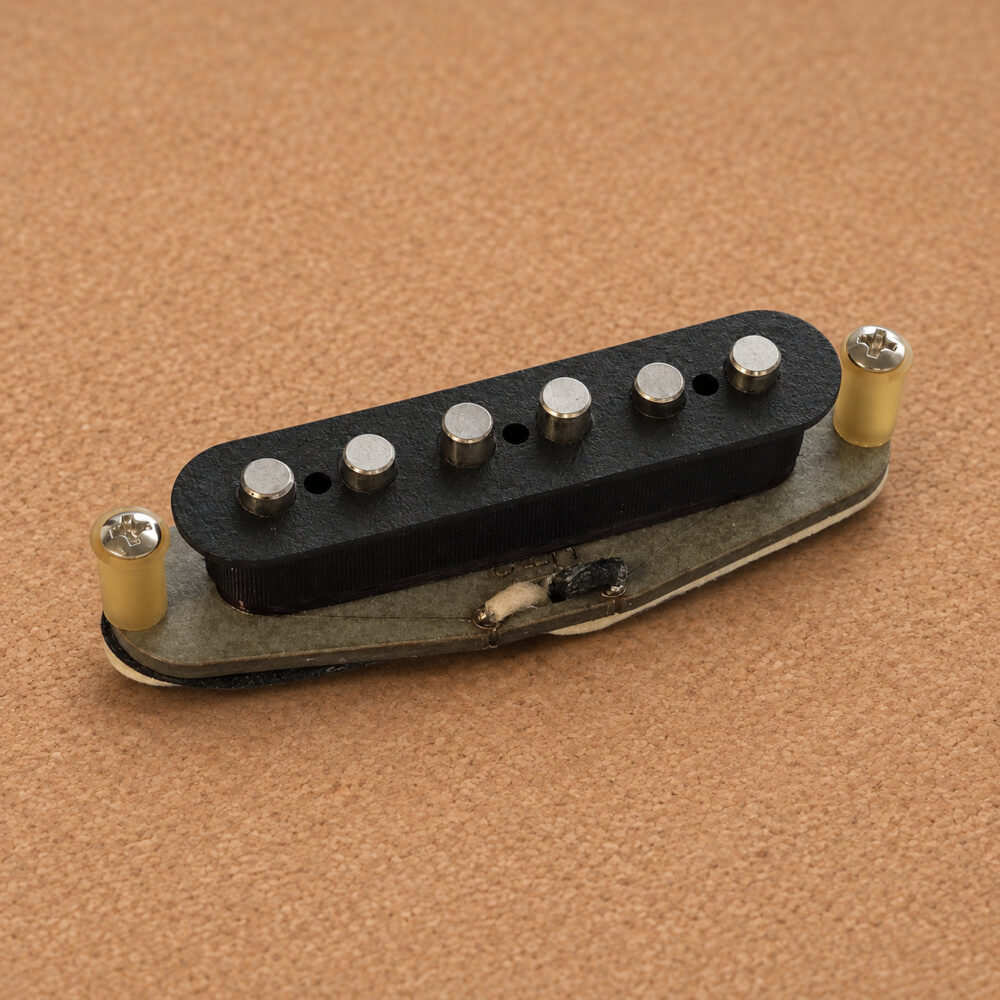
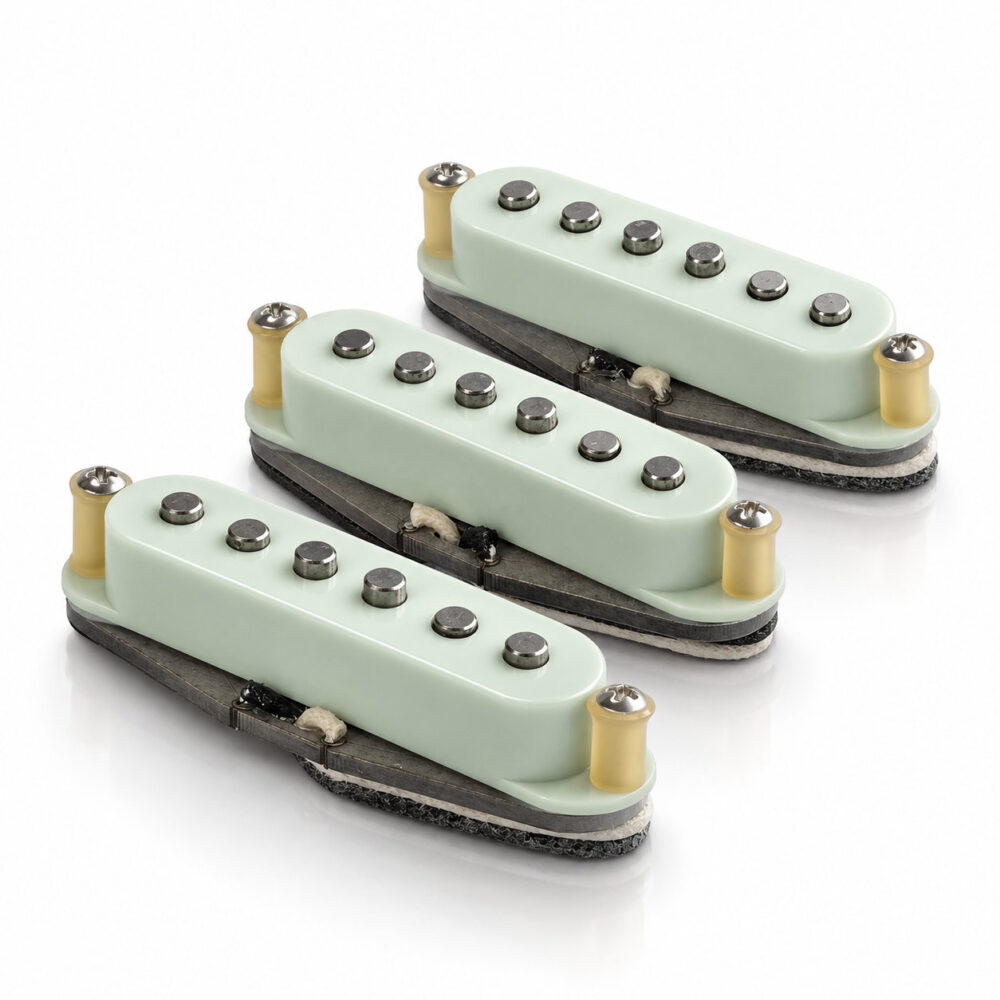
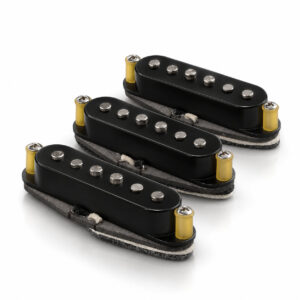
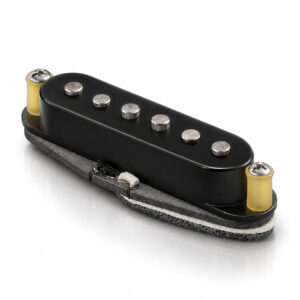
You can buy Jet Line ’65 pickups individually for the neck, middle or bridge, or as a matched set of three. Covers come in White, Vintage White, Cream, Mint Green or Black.
We also sell replacement covers in all five colours. If you’d like a different cover colour, just ask.
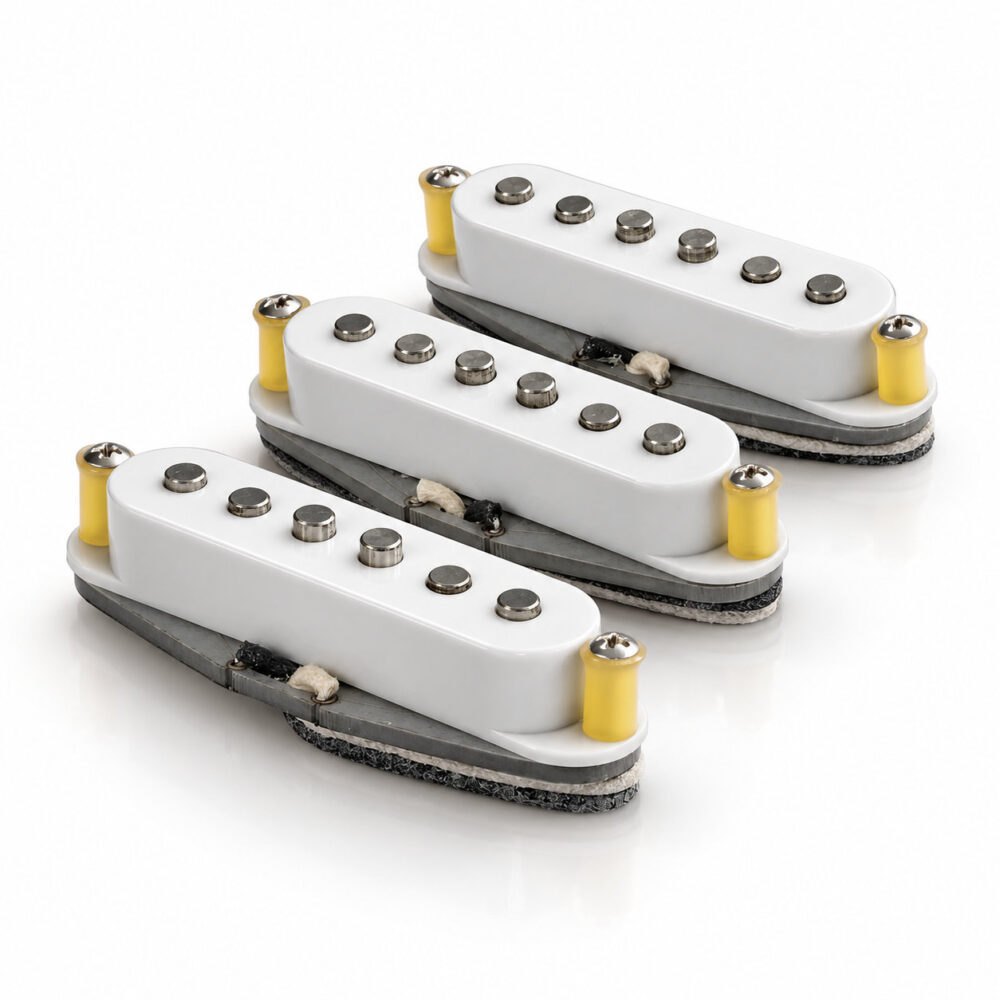
White covers · Set of three
Choose a configuration and cover colour to preview the photos.
Neck: Glassy and chiming, with a full but tidy bottom end. Good for clean melodic lines, blues and smooth leads.
Middle: Crisp and percussive. Very good for rhythm, and it’s where those classic position 2 and 4 sounds come from.
Bridge: Bright and cutting. Sparkles on a clean amp and stays focused and articulate as you add gain.
Neck, Middle, Bridge or Complete Set
Photo preview only. Choose your purchase options using the product selectors.
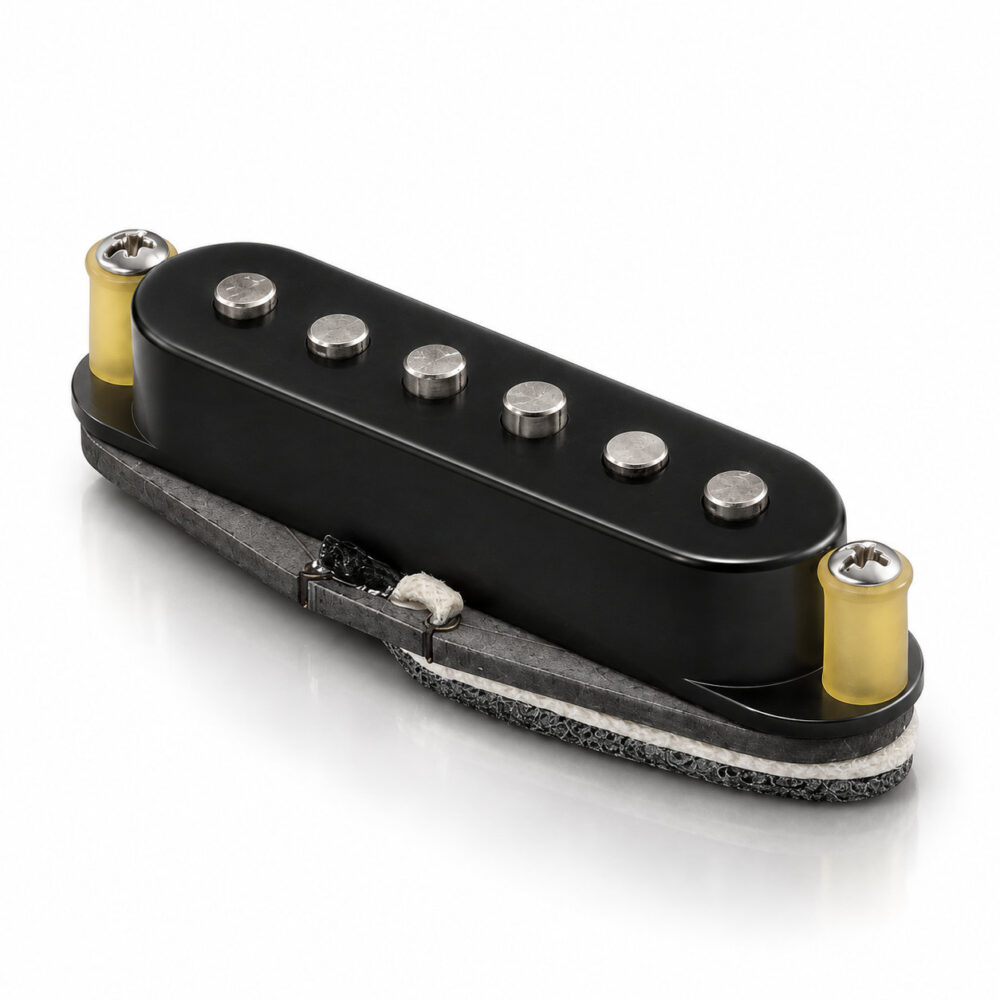
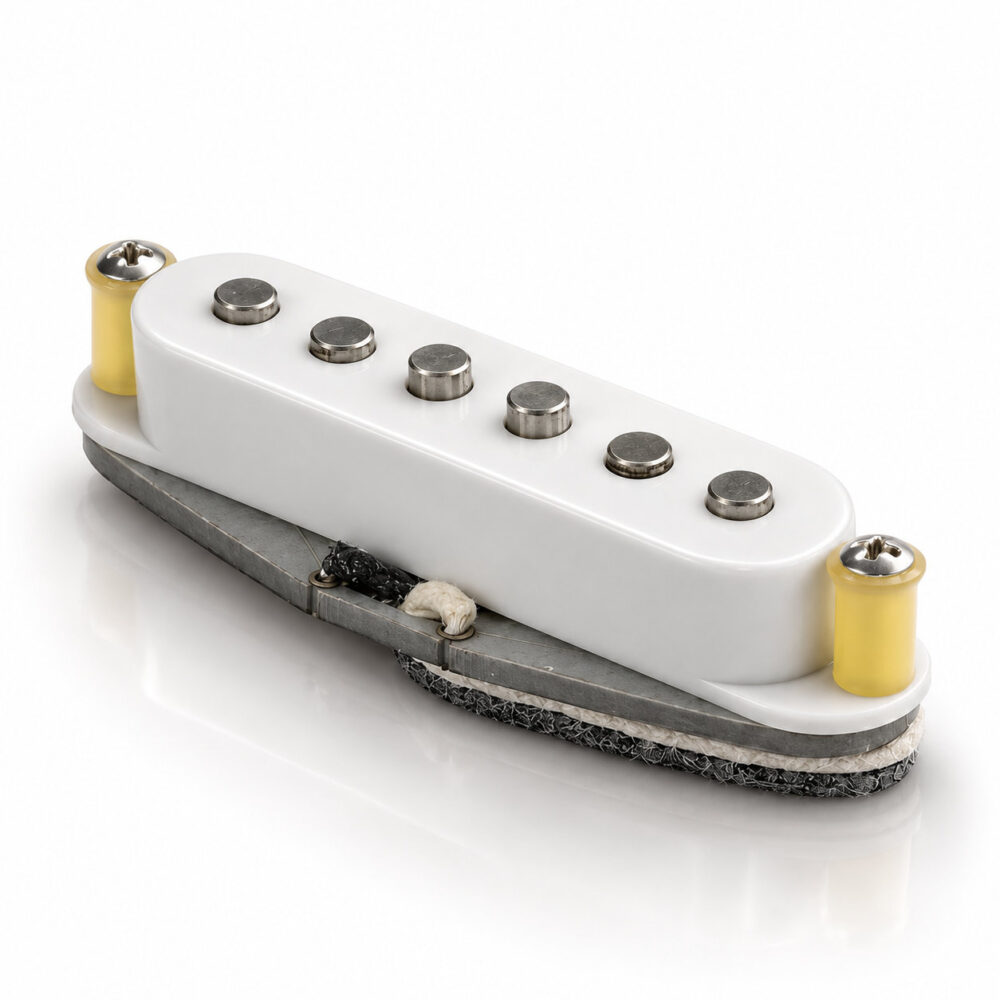
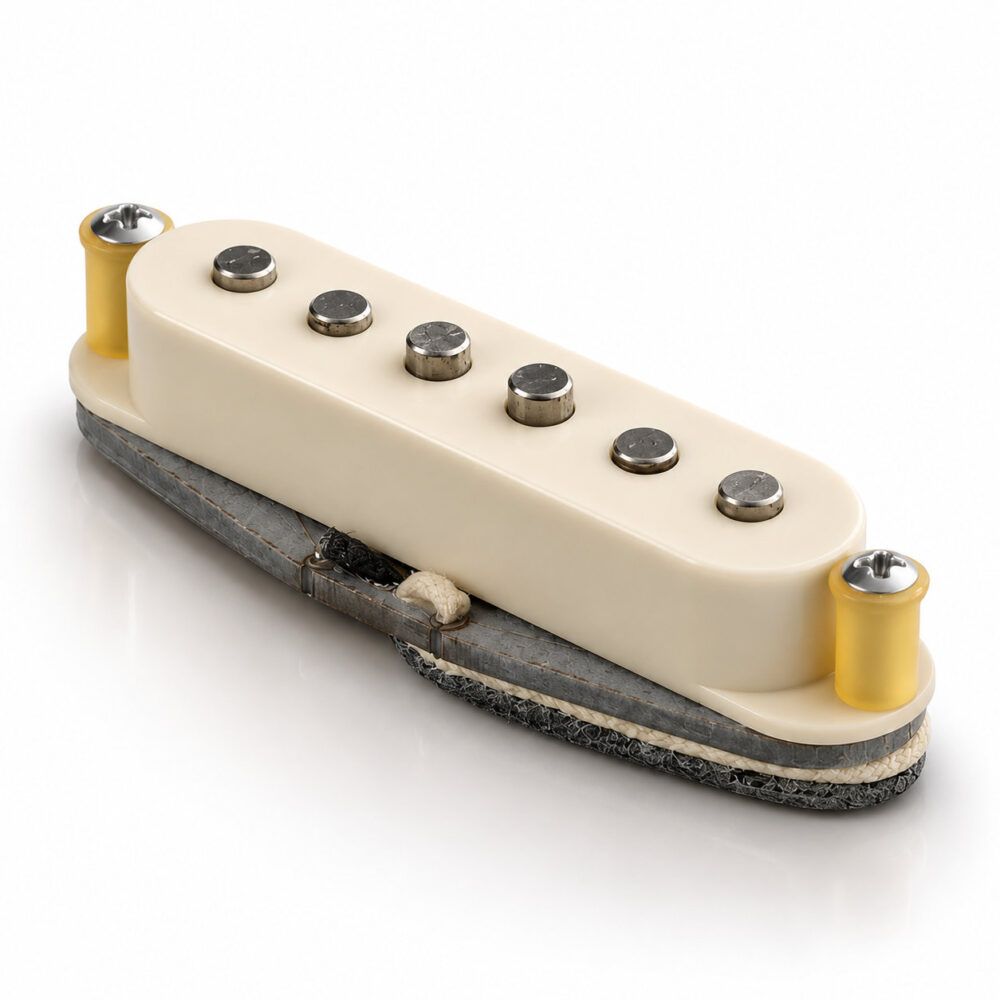
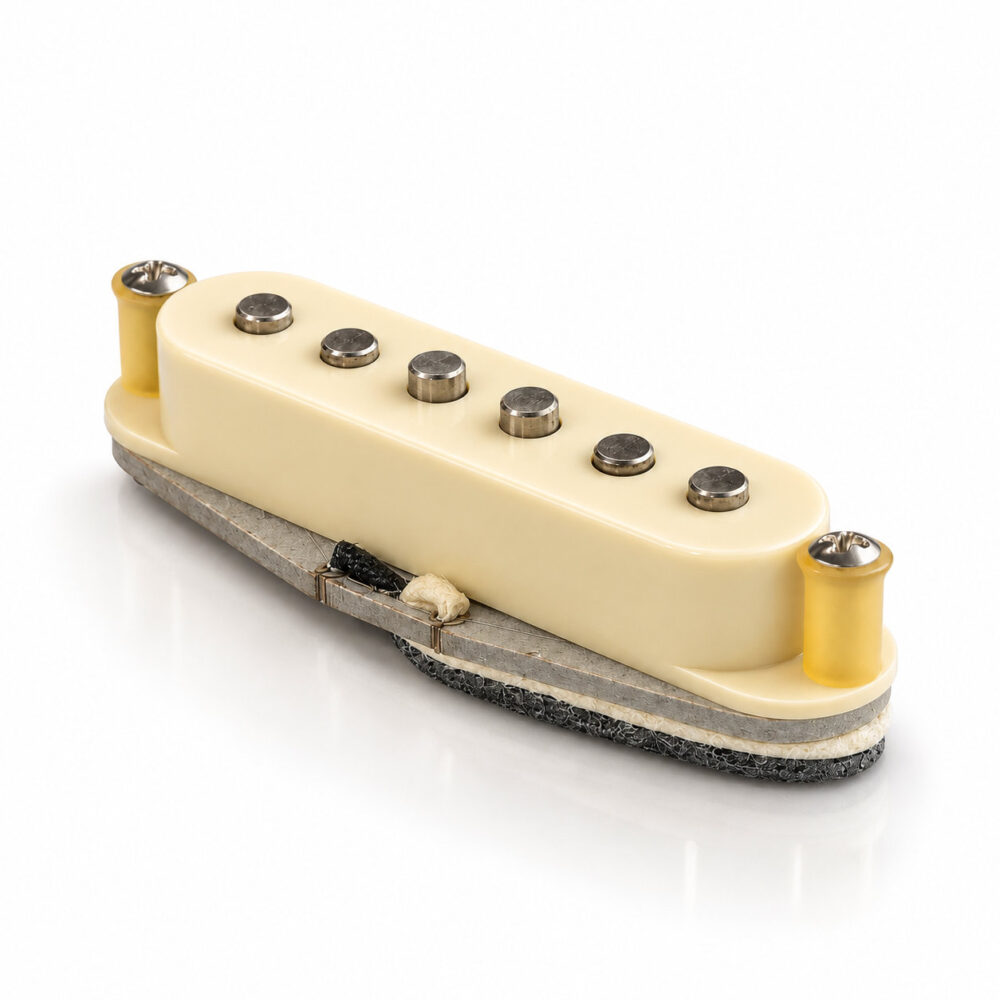
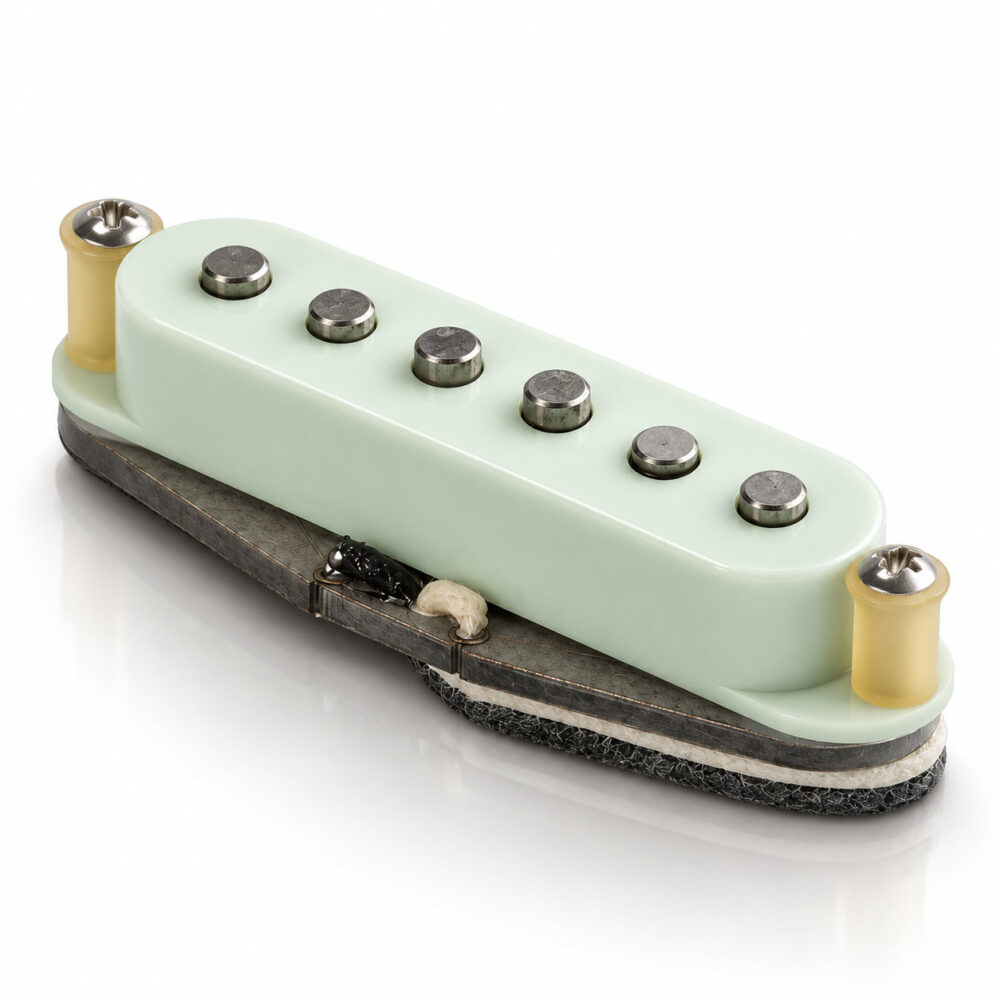
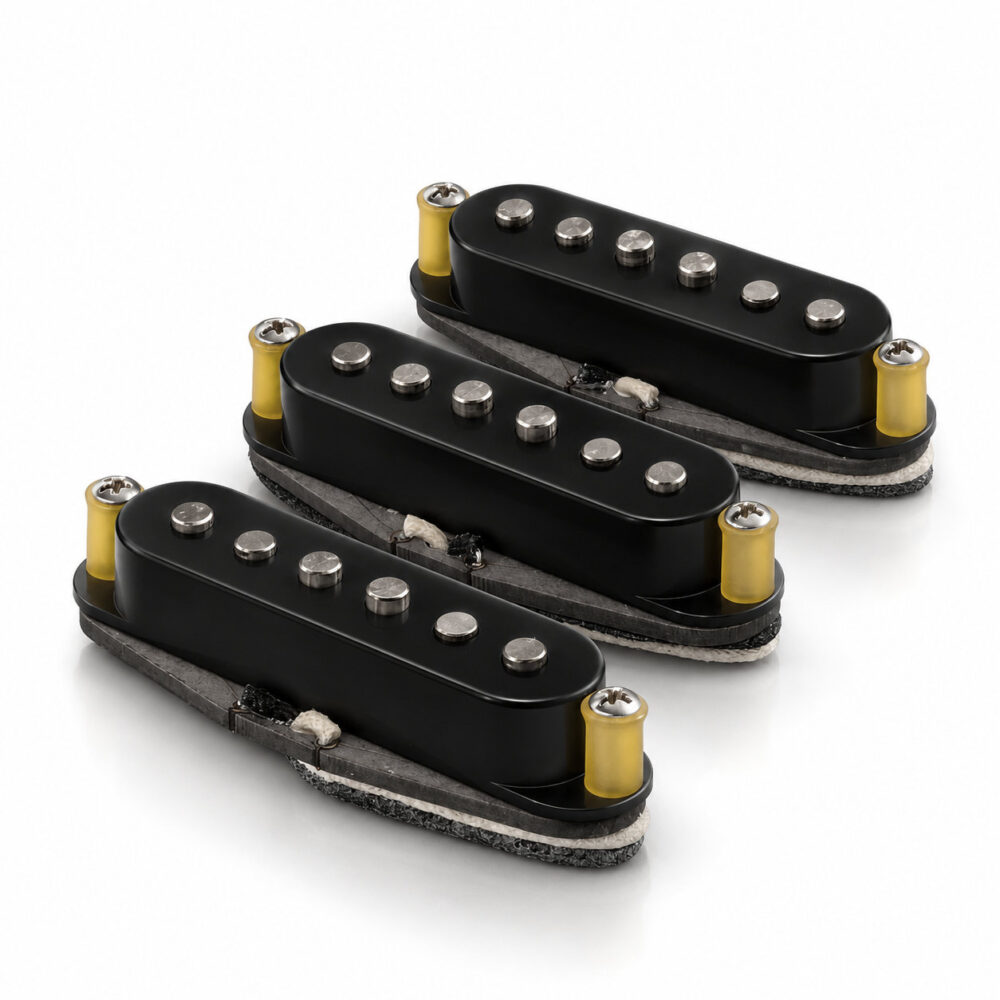
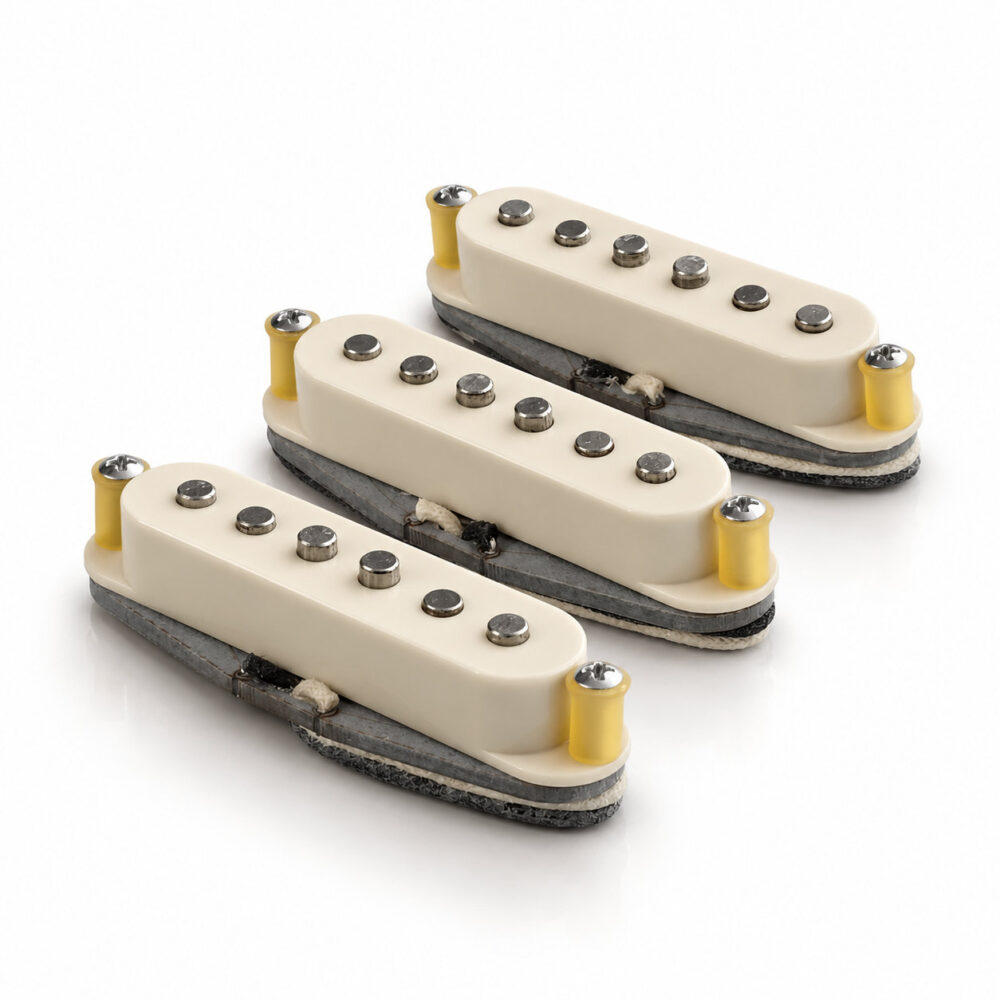
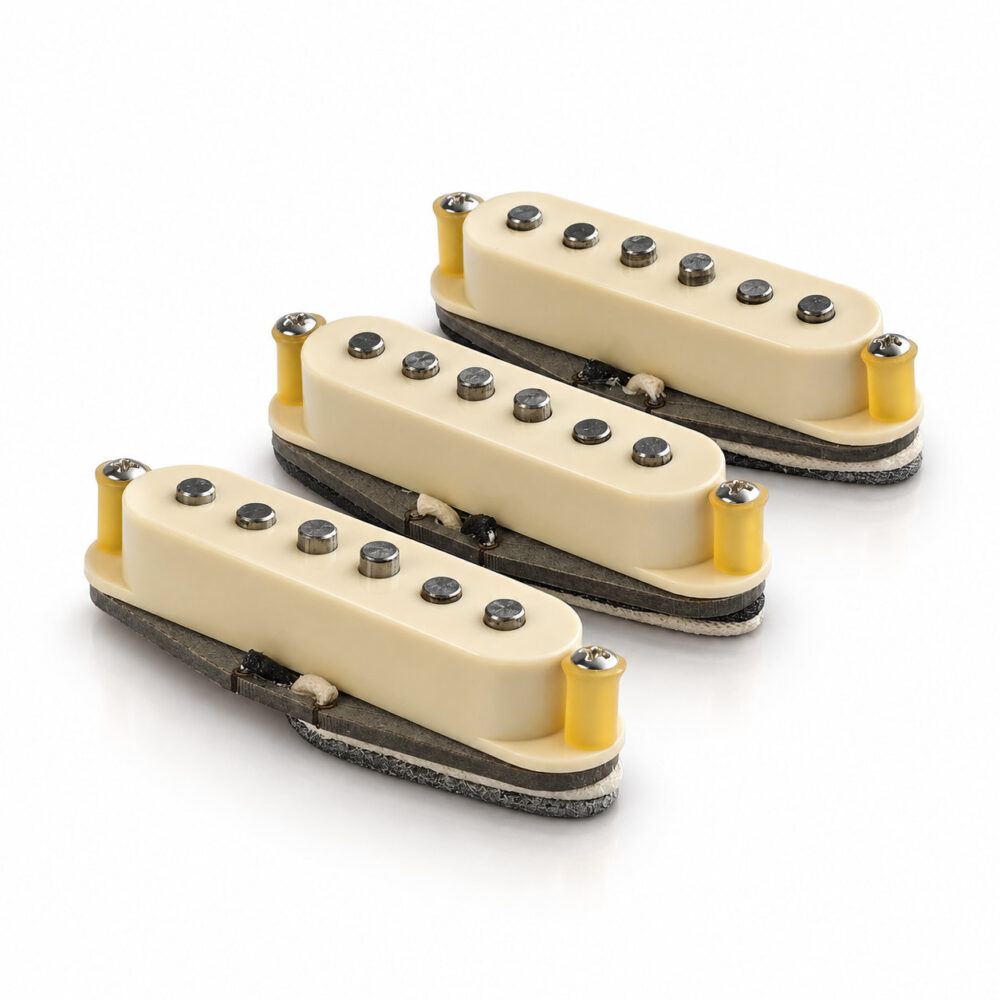
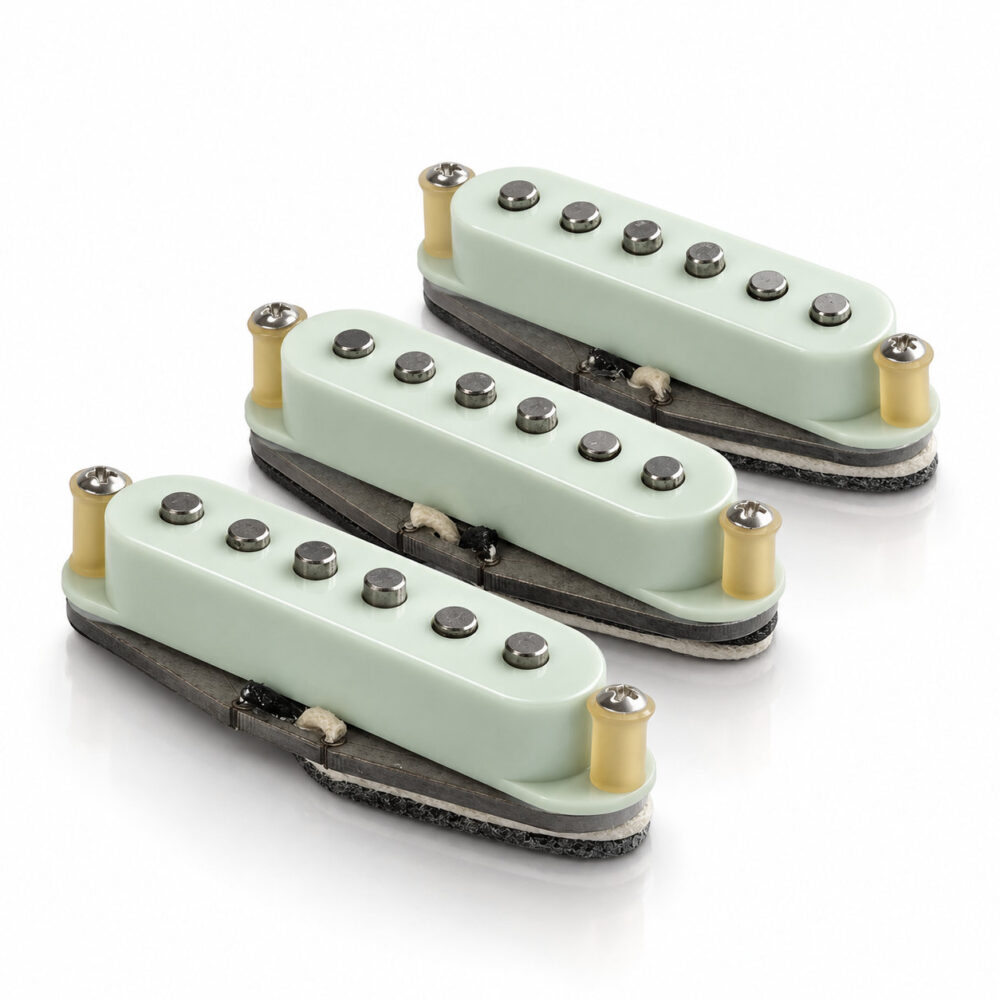
NeckMiddleBridgeSet of threeBlackWhiteVintage WhiteCreamMint Green
Single-pickup photos illustrate cover colour; neck, middle and bridge share the same representative view.
DC resistance figures are approximate and will vary slightly from pickup to pickup, and with temperature.
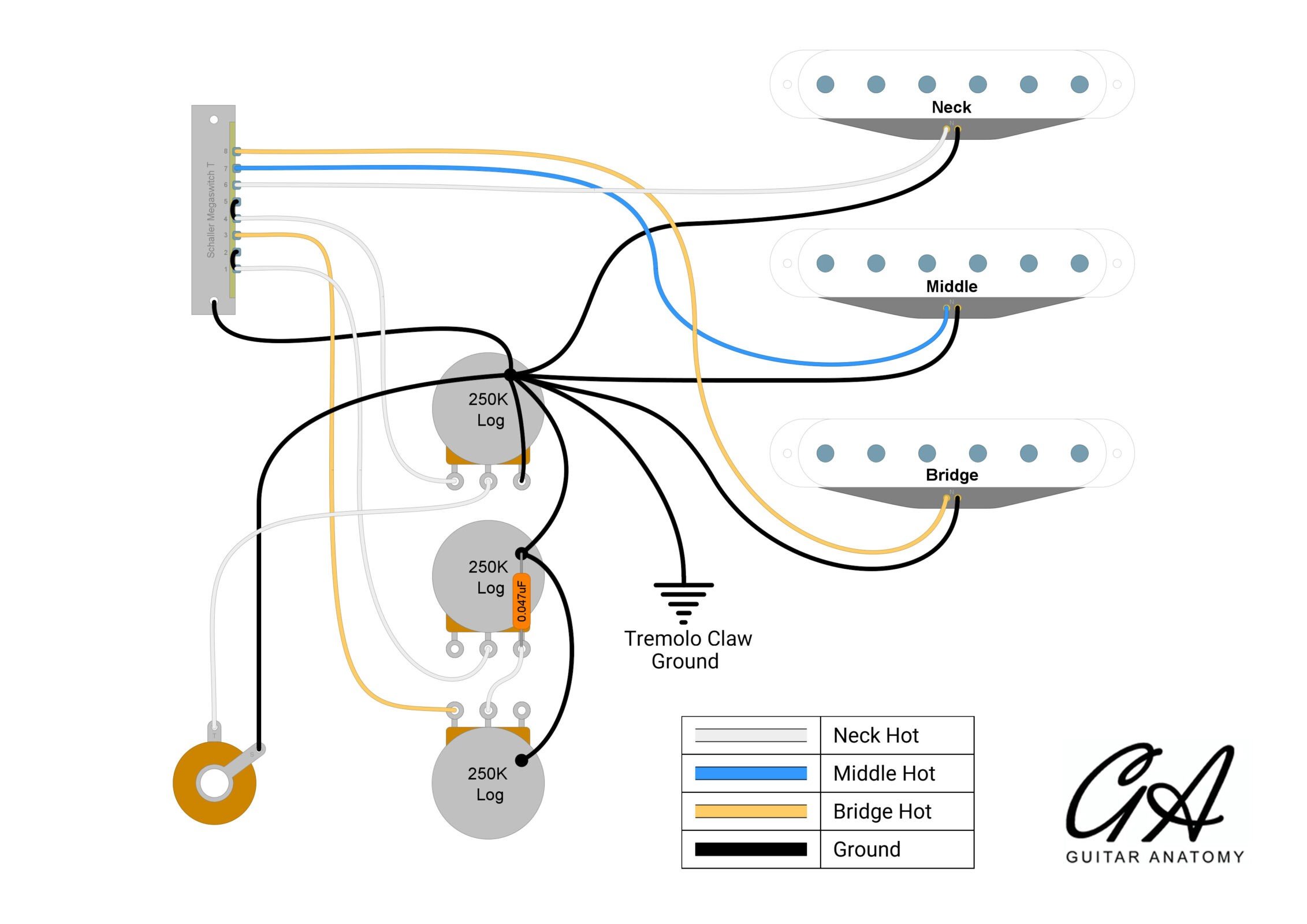
We have a full range of wiring diagrams to use with your new pickups, from a standard Strat layout to popular mods. You can find them all on our Wiring Diagrams page.
Choosing a pickup position, a cover colour or your next Strat sound? Talk to the Guitar Anatomy team.
Do you offer a warranty on your products?
Yes, all of our products come with a 12-month warranty covering manufacturing defects or faults. If you experience an issue related to materials or workmanship within this period, please contact us and we’ll be happy to help.
Do you ship internationally?
Yes, we ship guitar parts worldwide from the UK. International delivery costs are shown at checkout. Depending on your country, local import taxes, duties or courier handling fees may be payable before delivery.
Do you offer free UK delivery?
Yes, UK orders over £34.99 qualify for free UK delivery. Faster delivery options are available at checkout.
How long does delivery usually take?
Orders are usually dispatched within 1–2 working days. Necks may require up to 3 working days of preparation by our luthier before dispatch, especially during busy periods. For neck orders, choosing faster shipping pays for a next-day delivery service after preparation is complete; it does not shorten the preparation time. Delivery times otherwise vary depending on your location and the service selected at checkout.
Can I return my item?
Yes, unwanted items can be returned within 30 days of receipt, provided they are unused and in their original condition. Customers are responsible for return postage unless the item is faulty or incorrect. Customised items cannot be returned unless faulty.
What if my order arrives damaged or incomplete?
Please contact us with photos of the issue as soon as possible. We’ll work quickly to resolve the problem, whether that means sending a replacement, issuing a refund, or providing another suitable solution.
Can you help me check compatibility?
Yes, if you are unsure whether a part is suitable for your build, please contact us before ordering and we’ll be happy to help.
Do you offer custom services?
We do not offer full custom product manufacturing, but we may be able to help with selected services such as tuner fitment, pre-drilling holes in bodies or necks, and similar modifications. Please contact us before ordering to discuss your requirements.
How do I care for and maintain my product?
Care instructions vary depending on the item. Please check the product description or contact us if you need advice on cleaning, storage or maintenance.
What payment methods do you accept?
We accept a range of secure payment methods, including credit/debit cards, PayPal and Klarna. Payments are processed through trusted third-party payment providers.
Do you offer discounts or promotions?
Yes, you can sign up to our Build Club mailing list using the sign-up box at the bottom of our website for access to promotions, product updates and special offers.
| Weight | 0.2 kg |
|---|---|
| Dimensions | 15 × 13 × 2 cm |
| Position | Neck, Middle, Bridge, Full Set |
| Colour | Black, Cream, Mint Green, Vintage White, White |
 GA Pro Jet Line '65 Alnico 5 Stratocaster Pickups
Sorry, no reviews match your current selections



Reviews
There are no reviews yet